West County On Scene

Archive

Browse all publications by type or year.

Type

Year

8 publications · training

training

Springfield VFD Weekly Drill Focuses on High-Risk, Low-Frequency Rescue Scenarios

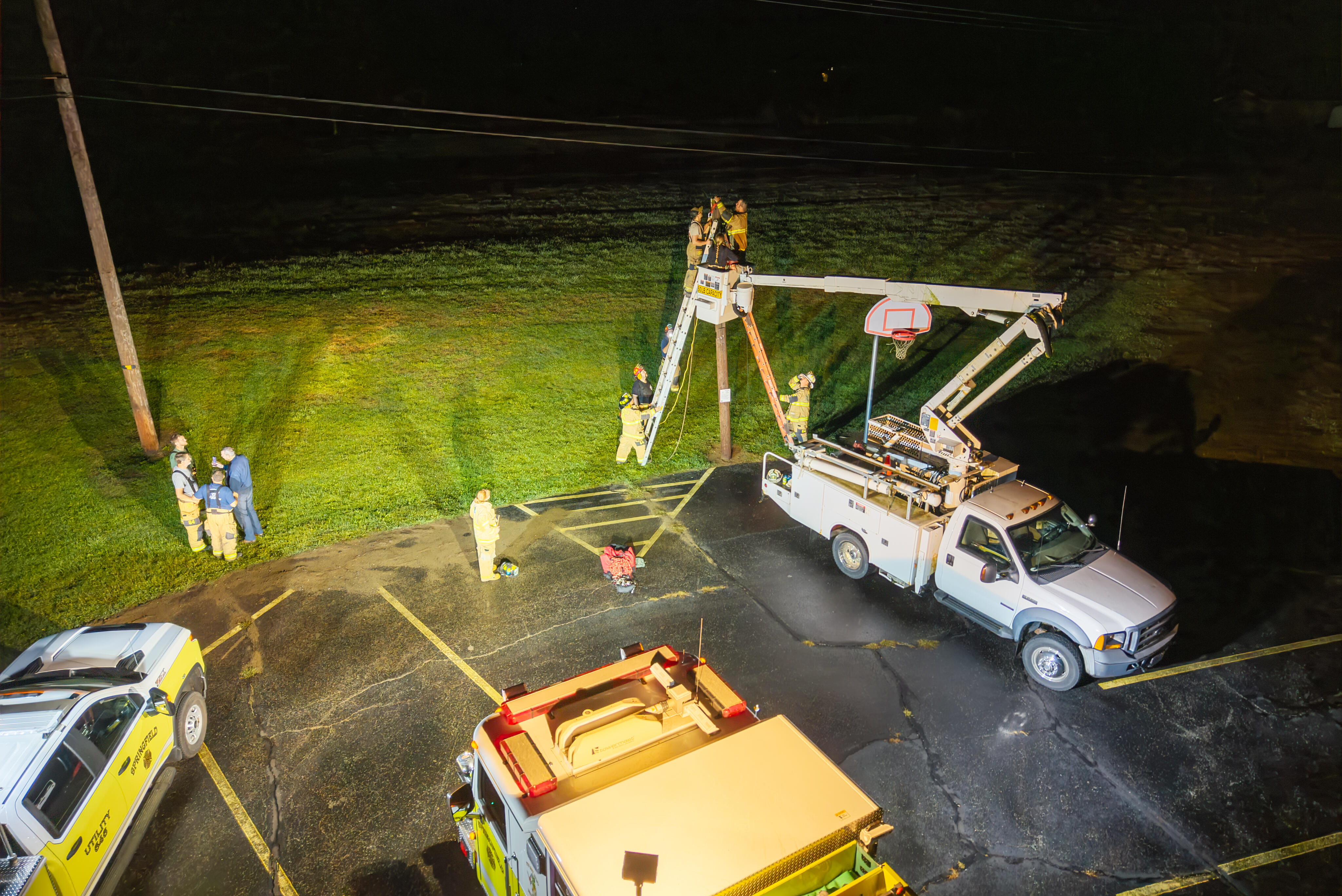
Springfield Township, PALast evening, members of the Springfield Volunteer Fire Department conducted their weekly drill, focusing on a recent high-risk, low-frequency incident that occurred in Erie County. Crews gathered at Springfield Elementary School, where a training scenario was staged involving a bucket truck positioned next to a utility pole.Two distinct rescue scenarios were explored, giving firefighters an opportunity to better understand bucket truck operations, practice pulley and harness techniques, and work through the complexities of these rare but dangerous situations. In each case, crews emphasized the importance of scene safety, including waiting for the power company’s “all clear” before approaching a possibly energized scene. To add realism, both scenarios involved a simulated electrical discharge that rendered the bucket truck inoperable, preventing the bucket from being lowered.
Scenario One: Medical Emergency in the BucketIn the first simulation, the individual inside the bucket suffered a sudden electrical discharge that led to medical complications and rendered the patient unresponsive, though still with a pulse, and without the protection of a safety harness. Crews quickly positioned a ground ladder against the utility pole, allowing a rescuer to ascend and make initial patient contact. After assessing vitals, it was confirmed that the patient was unresponsive but had an intact pulse.At the ground level, firefighters discussed safe methods for removal. Once a plan was established, a second rescuer climbed the ladder, entered the bucket, and secured the patient in a safety harness. Meanwhile, crews on the ground prepared a rope-and-pulley system anchored to stable points. This system provided the control needed to gradually support and transfer the patient’s weight.With coordinated communication between the rescuer in the bucket and the ground team, the patient was carefully lifted over the edge of the bucket and caried down ladder step by step. Once safely on the ground, the patient was transferred to EMS for definitive care.
Scenario Two: Extraction and Recovery from the BucketThe second simulation took a different approach, focusing on a scenario where the individual in the bucket was incapacitated and needed to be fully extracted. With the bucket rendered inoperable due to the simulated electrical event, crews once again relied on rope systems and manual techniques to complete the rescue.Firefighters established a pulley system directly above the bucket, allowing rescuers to secure and lift the patient out vertically. This required precise coordination, as the victim had to be raised high enough to clear the edge of the bucket without compromising safety. Once free of the confined space, the patient was transitioned into a lowering system, which allowed ground crews to slowly and steadily bring them down to safety.Unlike the first scenario, which required rescuers to work within the bucket, this evolution tested the crew’s ability to manage a technical rope rescue in midair. It reinforced the need for proper rigging, anchor points, and redundancy in case of equipment failure.
Through both scenarios, Springfield firefighters gained valuable, hands-on experience in technical rescue procedures. Though situations like these may only occur a handful of times during a responder’s career, they require absolute precision, teamwork, and preparation when they do. Training of this nature ensures crews are ready to act swiftly and safely should a real incident occur in the community.

Published 6 months ago8,166
training

STAT MedEvac Landing Zone Training Hosted in Girard

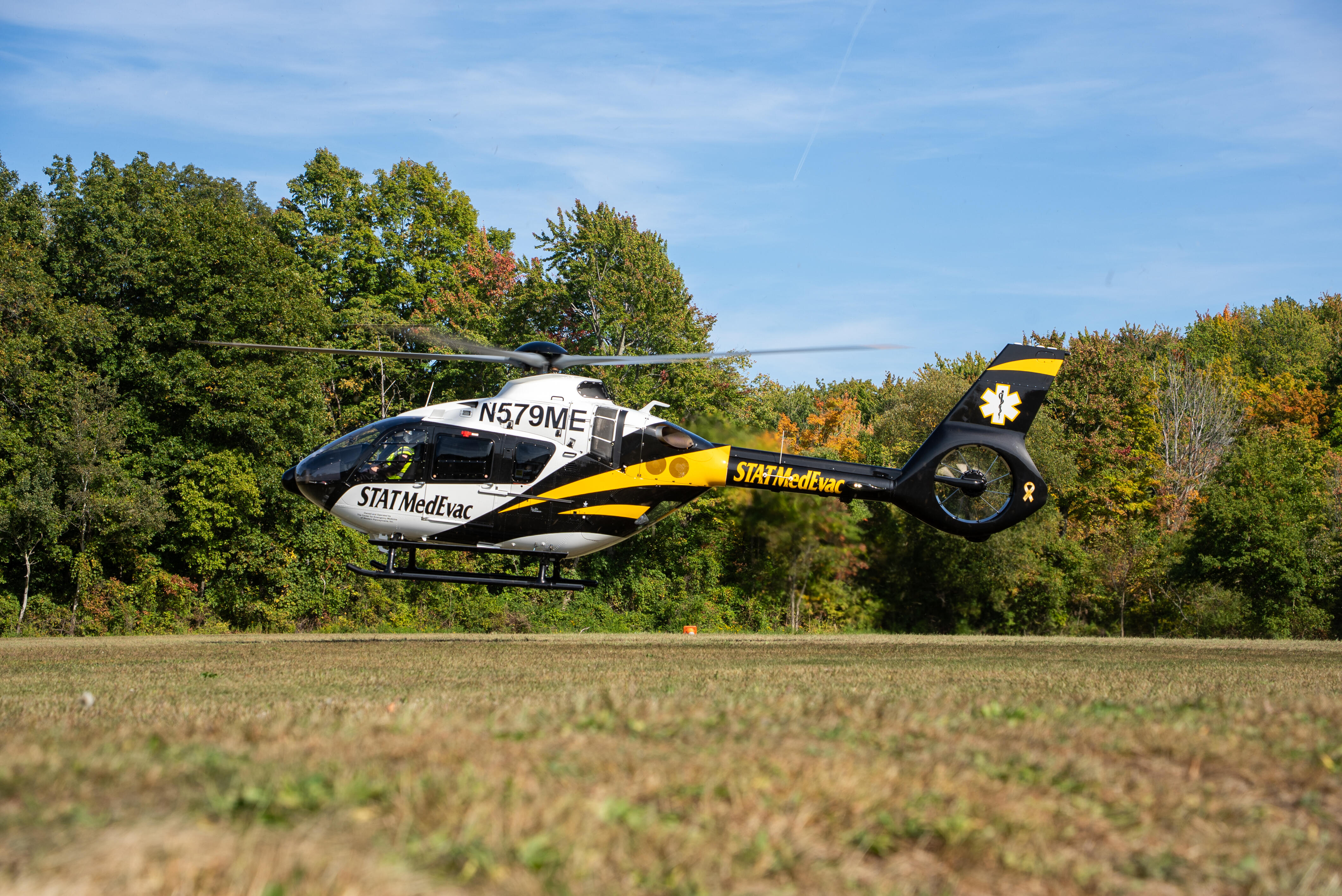
Girard, PAToday, members of the A.F. Dobler Hose Fire Company hosted a landing zone safety class in partnership with STAT MedEvac, bringing together first responders to learn how to safely prepare for and support helicopter medical transports. Attending the class included personnel from many local fire departments including A.F. Dobler Hose, Fairview Fire and Rescue, Lake City Fire Department, and Edinboro Fire Department.The training was split into two portions: a classroom session covering best practices for establishing and maintaining a safe landing zone, followed by a hands-on demonstration. During the field portion, crews practiced communicating with STAT 7 on the “On Scene 5” radio channel, coordinating the arrival and departure of an aircraft, and reviewing proper ground safety procedures.The highlight of the event came in the afternoon when STAT 7, based in Meadville, landed at the fire station to support the exercise. Attendees had the chance to tour the helicopter, speak with STAT crew members, and gain insight into the day-to-day operations of aeromedical transport. Beyond their flight operations, STAT is actively engaged in medical research and innovation, piloting new technologies such as advanced airway systems when applicable, and incorporating artificial intelligence to review mission data through onboard measurements and video to continually improve patient care and operational safety.Community TrainingLanding zone classes like today’s event in Girard are a vital component of ensuring first responders are well-prepared to assist STAT MedEvac crews. Proper coordination helps minimize risks during helicopter operations, protects ground personnel, and ensures patients are quickly and safely transferred to advanced care. By hosting training sessions and building strong relationships with local fire departments, EMS, and law enforcement (when applicable), STAT MedEvac continues to strengthen emergency medical response across the region.Meadville OperationsSTAT 7, which responded to Girard for today’s training, is stationed at Meadville, PA. The base averages roughly one flight per day, totaling just under 400 flights last year.STAT MedEvac’s mission profile is divided between interfacility transfers and scene responses. Approximately 80% of flights are interfacility transports, moving critically ill patients from one hospital to another for specialized care, while the remaining 20% are emergency scene responses. Scene calls typically involve serious trauma, cardiac emergencies, or other life-threatening incidents where rapid transport can make the difference in patient outcomes.About STAT MedEvacSTAT MedEvac is one of the largest not-for-profit medical transport systems in the United States. It is operated by the Center for Emergency Medicine of Western Pennsylvania, Inc., affiliated with the University of Pittsburgh Medical Center (UPMC). Headquartered in Pittsburgh, STAT MedEvac operates a fleet of helicopters and critical care ambulances across Pennsylvania, Ohio, Maryland, and West Virginia, providing rapid air and ground medical transport for critically ill or injured patients.Founded in 1984, the program has grown to 18 helicopter base sites strategically located throughout the region. Each aircraft is staffed by a pilot, a critical care nurse, and a critical care paramedic, bringing advanced life support capabilities directly to the scene or facilitating interfacility transfers between hospitals.

Published 6 months ago6,475
training

Firefighters Tackle Live Gas Fire Scenarios in Specialized National Fuel Training

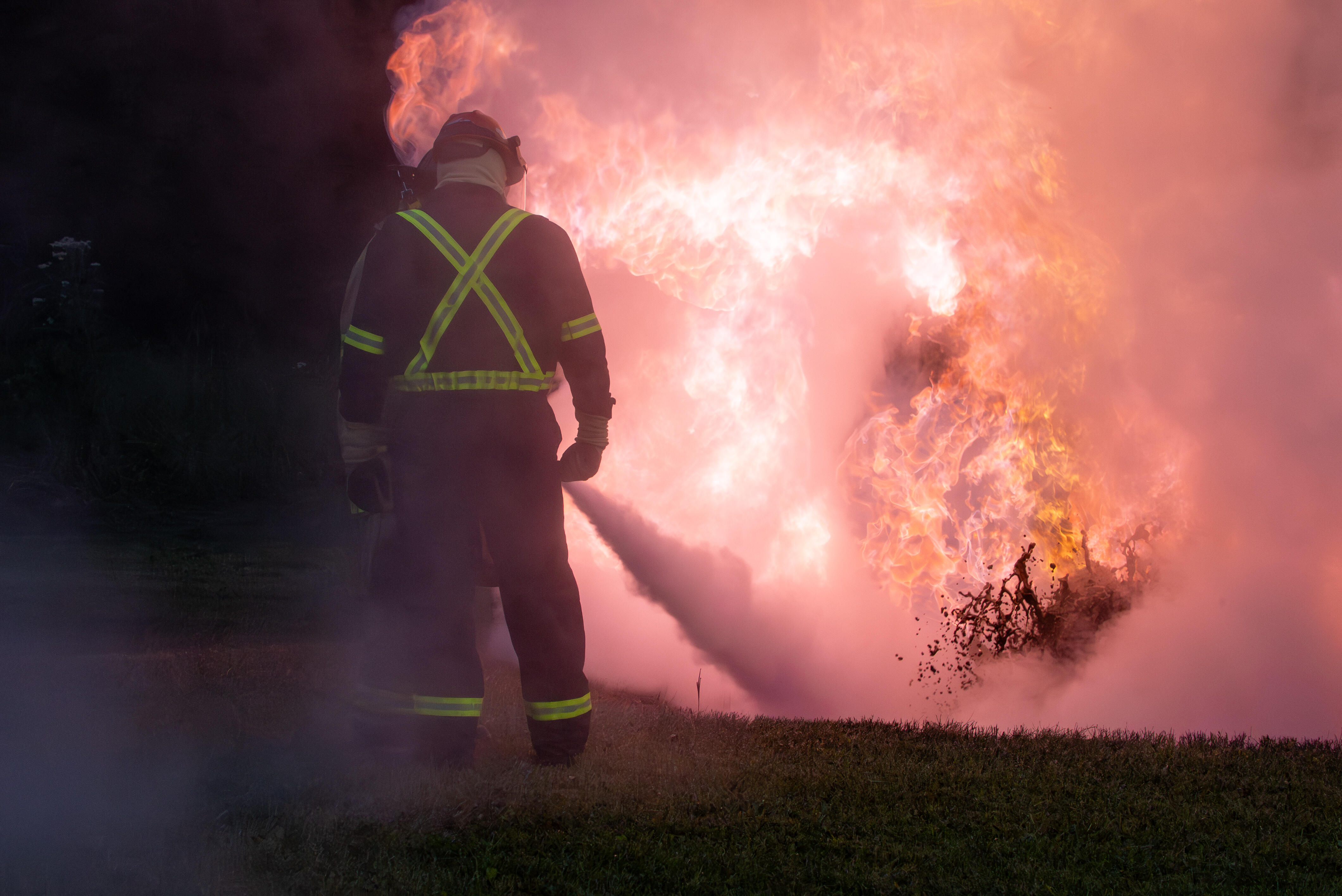
Summit Township, PAThree east county fire departments, Fuller, Crescent, and Harborcreek, gathered this week at National Fuel’s Fire Field on Robinson Road for the second phase of a specialized training program focused on natural gas emergencies. The program, designed in two parts, first introduced participants to the classroom side of natural gas safety earlier this spring. That session covered an overview of National Fuel operations, the science and hazards of natural gas, carbon monoxide awareness, and lessons learned from past incidents across the United States. This week’s field component brought theory into practice. Firefighters rotated through five live-fire scenarios, including a ruptured gas well, a line strike, and sheared piping, all modeled after real-world emergencies. Crews gained hands-on experience using both water suppression tactics and chemical fire extinguishers designed specifically for natural gas-fed fires. The training highlighted how challenging it can be to extinguish natural gas with water alone, while demonstrating the effectiveness of specialized suppression tools. “Tonight’s National Fuel Gas Emergency class was an outstanding experience,” said Chris Skrekla, Captain of Fuller Hose. “The combination of classroom education and hands-on training provided valuable insight into emergency response procedures.” A key emphasis from National Fuel’s instructors was scene management and responder safety. Firefighters were reminded that in many cases, the safest course of action is not extinguishment but rather maintaining a secure perimeter, protecting nearby exposures, and allowing controlled burning until the fuel source can be shut off. Attempting to prematurely put out a gas fire, instructors cautioned, risks allowing dangerous vapors to accumulate, creating the potential for larger, more hazardous situations. Skrekla added: “Learning directly from professionals in the field gave us practical knowledge and real-world strategies to effectively handle gas-related emergencies. We’re grateful for the opportunity and highly recommend this training to other departments in Erie County.” The joint training gave local departments valuable exposure to scenarios they may encounter in the field, ensuring that east county crews are better prepared to respond quickly, effectively, and safely to natural gas emergencies in their communities. This training was hosted by National Fuel and led by Scott Kerr, who guided the participating firefighters through both classroom and live-fire components. The program is open to all fire departments in the region that are interested in strengthening their knowledge and response capabilities when it comes to natural gas emergencies.

Published 7 months ago12,763
training

No Matter the Heat: North East Firefighters Push Through the Flames

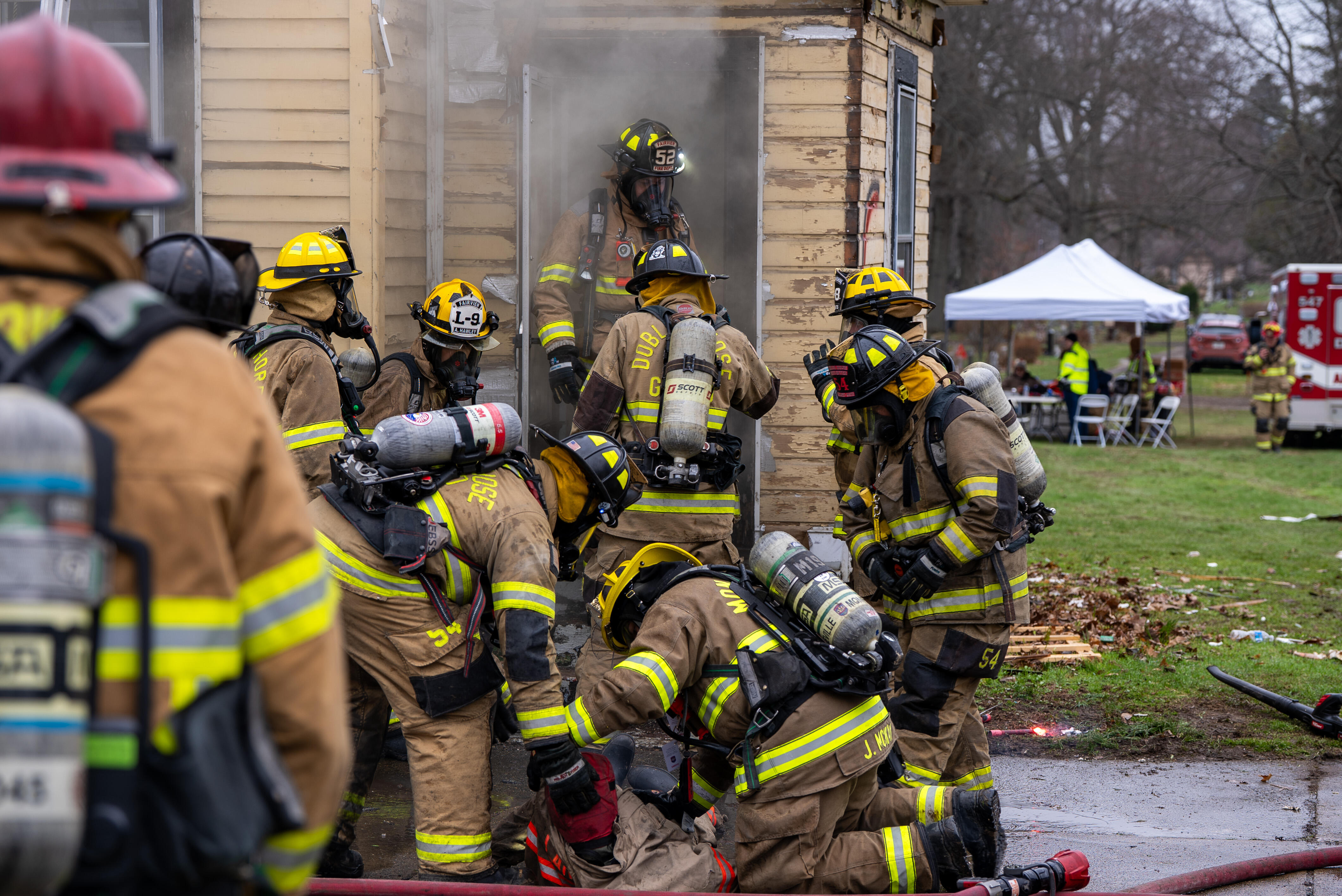
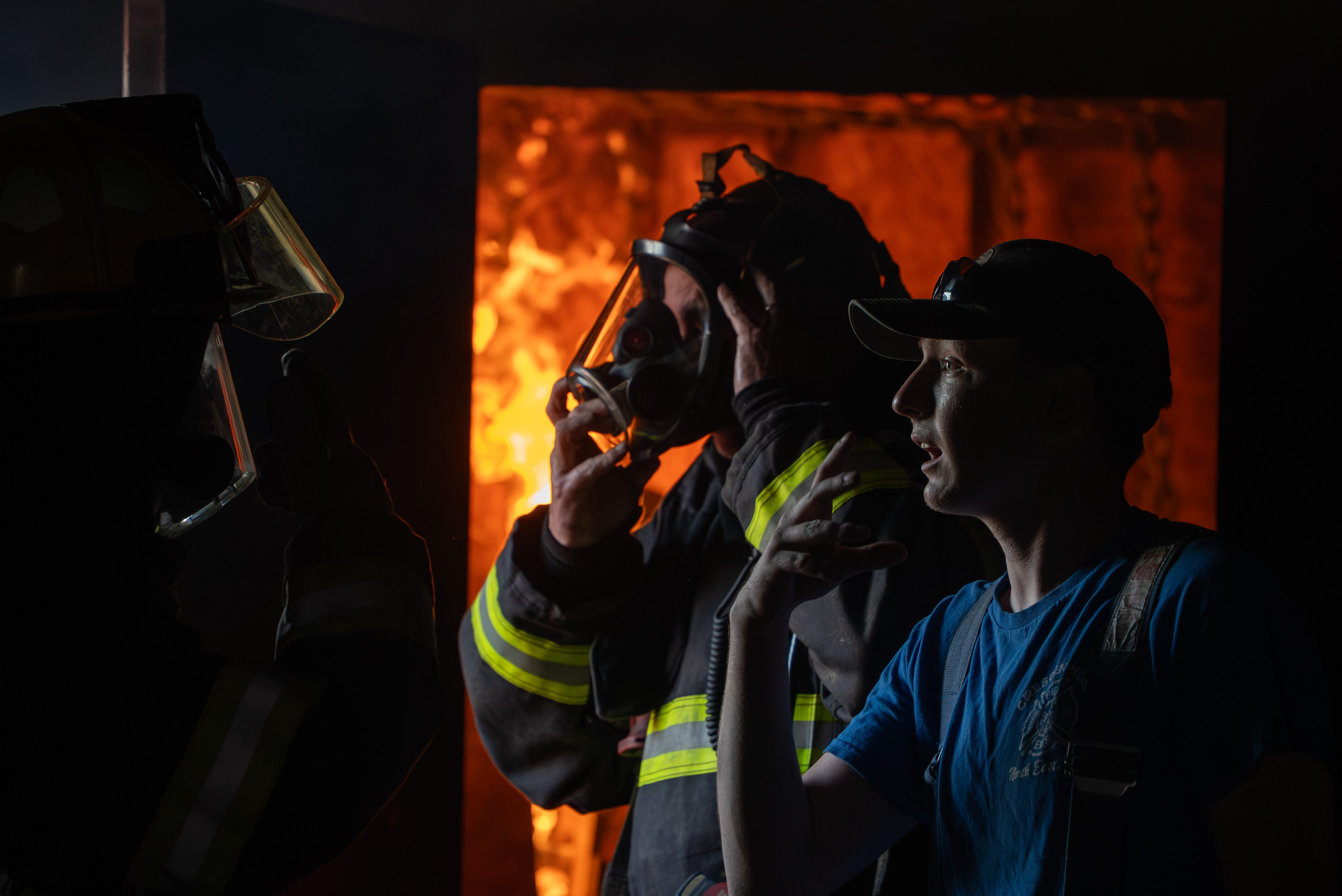
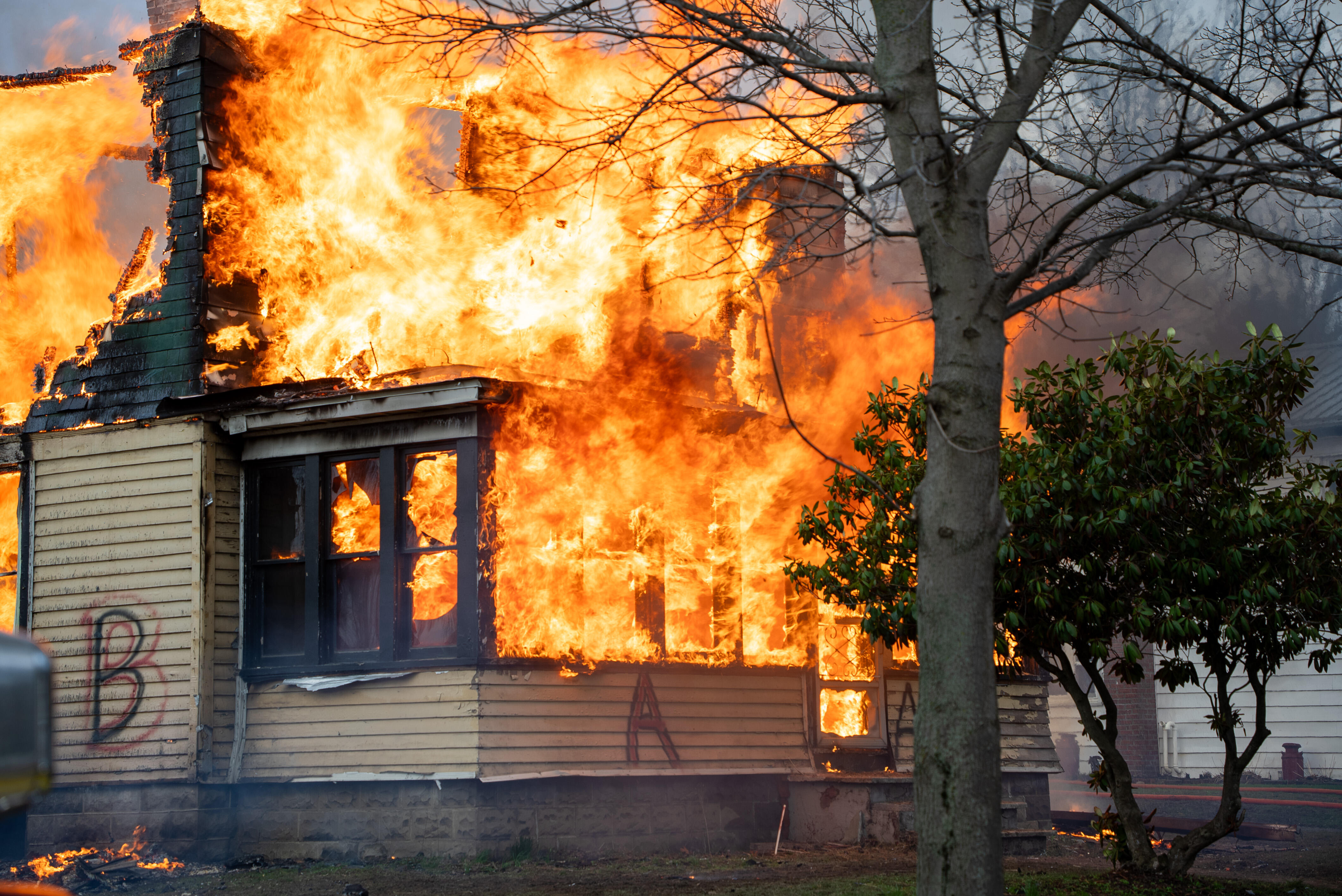
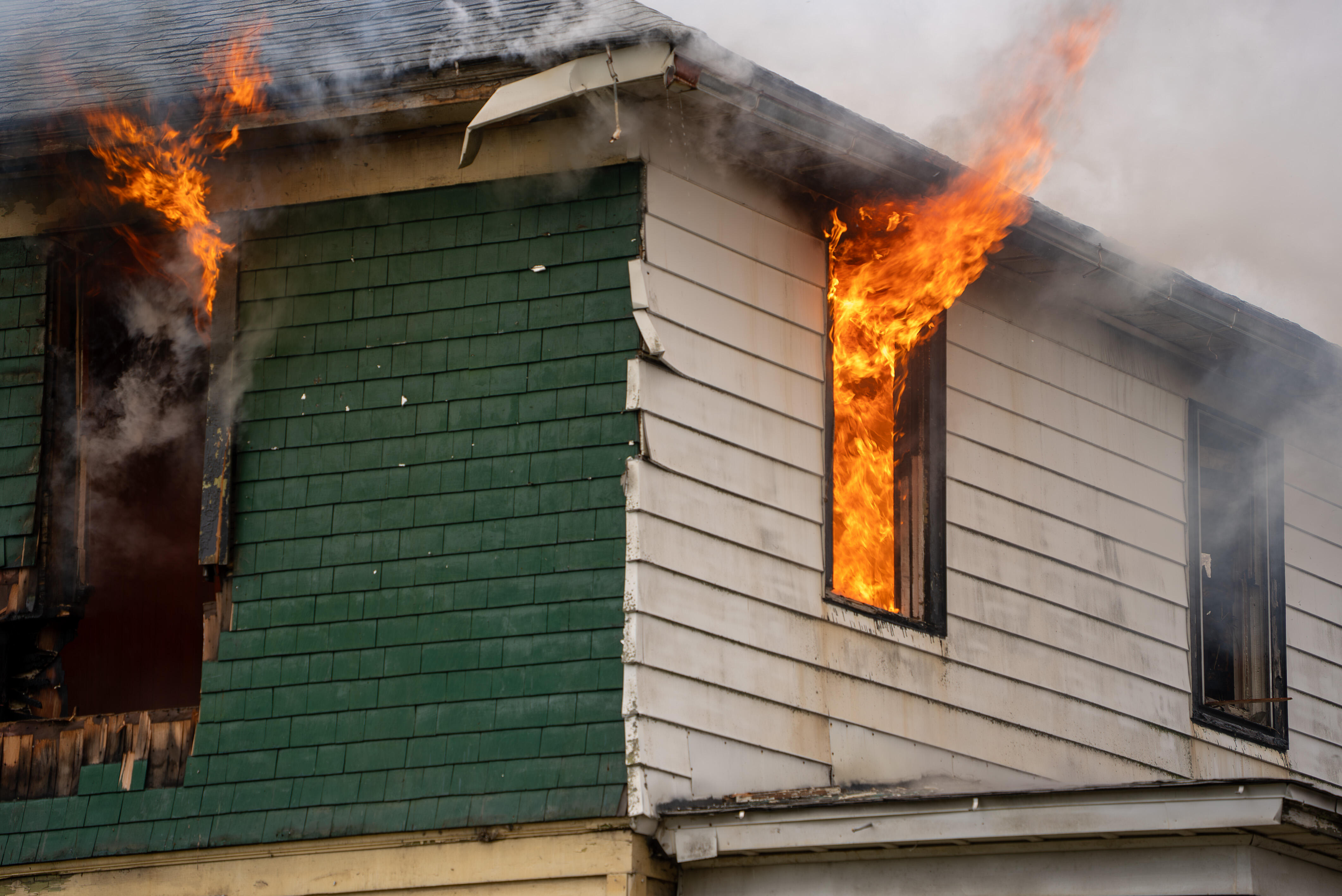
North East Township, PALast night, under the heat of a mid-summer evening, firefighters from Crescent Hose Company and Fuller Hose Company came together for a joint training exercise at their shared Home for Fire and Rescue Training, located at Gravel Pit Park in North East. Despite the high temperatures and humid conditions, the crews pushed forward with a series of live fire training evolutions, a decision rooted in a clear operational reality: when the alarm sounds, firefighters must be prepared to perform in any condition, whether it’s a bitter winter night or a sweltering summer afternoon. Training in realistic, adverse environments like this offers valuable experience in a safe, controlled setting.Throughout the evening, firefighters completed two training evolutions. The first simulated a fire on the first floor of the live fire training structure, while the second involved a fire scenario on the second floor. Each evolution included varying fire conditions to create realistic and challenging training environments. Each scenario was designed to challenge crews with complex tasks including primary and secondary searches, hose line deployments and advancements, fire suppression tactics, and interior coordination under simulated heat and smoke conditions.The training also served as a critical development opportunity for some of the department’s newest members, many of whom are early in their fire service careers. These firefighters gained hands-on experience while operating alongside seasoned veterans who provided guidance, mentorship, and leadership throughout the evening. The teamwork on display exemplified the strong partnership and shared commitment to excellence that exists between the two departments, highlighting their unified approach to public safety and professional development.The construction of this facility is the result of a recent collaborative effort. In response to the increasingly complex demands of public safety, North East Borough and North East Township took a proactive approach to fire protection and emergency preparedness. During the COVID-19 pandemic, both municipalities began open and consistent dialogue with Crescent Hose Company and Fuller Hose Company. These early discussions developed into regular monthly meetings and ultimately led to the formation of the North East Public Safety Advisory Board.When American Rescue Plan (ARP) funding became available, with specific requirements for how the funds could be spent, the board quickly identified a shared priority of enhancing firefighter training capabilities. The solution was clear: a dedicated live fire training facility that would prepare local firefighters to better protect lives and property. Upon learning of the project, Greenfield Township Volunteer Fire Company and Greenfield Township expressed interest in participating and were welcomed as partners.A joint committee, representing all involved departments, was formed to research and develop the initiative. In 2020, the committee signed a contract with Howell Rescue Systems for the construction of a live fire training structure utilizing modified shipping containers. The system, manufactured by Draeger, Inc., was installed in the fall of 2021 at Gravel Pit Park, located at 10300 West Main Road, the site of the North East Township municipal building.Since its completion, the facility has become a vital regional asset, routinely used for a variety of training programs, including Essentials of Firefighting, as well as Basic and Heavy Vehicle Rescue. The facility has delivered measurable benefits by enhancing firefighters’ skills and effectiveness during real-world fire responses. Additionally, the surrounding community has benefited from the facility’s presence through improvements in the ISO certification process, which can positively impact insurance ratings and overall public safety. The success of this initiative would not be possible without the support of dedicated community partners, including 4 NINE Thrift Store, Stetson Brothers Ace Hardware, the North East Lions Club, and the leadership of North East Borough and North East Township.While I typically focus on events involving West County departments, I recently had the opportunity to cover a live fire training exercise in East County. I was invited to document the training firsthand, offering a behind-the-scenes look at the intense preparation our firefighters undergo. It’s a strong reminder that all of our volunteer fire departments, no matter where they’re located, are equally important in protecting our communities. Watching the training unfold, it was impressive to see the structure, coordination, and realism of the evolutions.
Published 8 months ago7,596
training

Norfolk Southern Hosts “Railroad 101” Safety Training for Emergency Responders

Conneaut, OHYesterday evening, 13 members of the Springfield Volunteer Fire Department, along with personnel from several Ohio fire departments, participated in a specialized training focused on railroad safety and emergency preparedness. Hosted by Norfolk Southern, the free multi-day event, titled “Railroad 101: Safety and Response,” was held June 24 - 26 and offered two hands-on sessions each day to accommodate a wide range of emergency personnel.The train is part of Norfolk Southern's Operation Awareness & Response (OAR) program. OAR was launched in 2015 to cultivate and strengthen relationships with local first responders by providing classroom, web-based, and field training on hazardous materials transportation, as well as information about rail operations.The Norfolk Southern hazmat safety train is a specialized mobile training platform designed to bring real-world railroad emergency preparedness directly to first responders. At its core is a 2,000-horsepower, 273-ton locomotive painted in honor of emergency personnel, featuring insignia that recognize police, fire, and emergency medical services. Accompanying the locomotive are two boxcars that have been converted into fully equipped classrooms, each capable of accommodating up to 30 participants. The train also includes four types of tank cars - DOT-105, DOT-111, DOT-112, and DOT-117 - used to demonstrate a range of valves, fittings, and protective features found in rail transport. Rounding out the train are two 89-foot flatcars, typically used for transporting intermodal containers, which provide additional hands-on training opportunities for responders.Training was divided into three core components. The first portion took place in a classroom setting, where participants received instruction on general railroad safety, how to interpret rail shipping documents, and how to identify different types of railcars and tank cars. Instructors also covered the D.E.C.I.D.E. process and walked through the nine stages of a hazardous materials emergency. Other topics included chemical and physical properties of materials, site assessment, initial safety protocols, flammable and corrosive substances, tank car/container assessment, and the use of first responder mobile tools such as the AskRail app.Following the classroom session, attendees split into groups to rotate through a hands-on portion of the training. One group explored the anatomy of general service and pressure tank cars, learning about protective housings, valves and fittings, safety appliances, truck components, shell and head construction, and external placards and markings. The other group reviewed locomotive safety and emergency procedures. After both groups completed the hands-on stations, they reconvened in the classroom to walk through a mock rail crossing incident. The group collaboratively developed an incident action plan, discussed offensive response tactics, and practiced applying concepts that they learned to a realistic railroad emergency.Norfolk Southern operates around 20,000 rail miles of track across 22 states and employs more than 20,000 people. The company transports over 7 million customer carloads annually, ranging from raw materials to hazardous chemicals, making preparedness and coordination with local emergency responders a top priority.Through programs like TRANSCAER (Transportation Community Awareness and Emergency Response), Norfolk Southern continues to invest in community resilience by ensuring first responders have access to advanced training tools and real-world experience before the next incident occurs.

Published 9 months ago19
training

Cranesville Fire Department Hosts Flashover Simulator Training Provided by the Pennsylvania Fire Academy

Cranesville, PAIn an effort to enhance firefighter safety and readiness, the Cranesville Fire Department recently hosted a flashover simulator training class provided by the Pennsylvania Fire Academy. The event saw 26 firefighters from across Erie and Crawford County, with participants coming from both local and distant fire departments. Split over two days, the training class accommodated 13 firefighters on Saturday and another 13 on Sunday, offering a valuable opportunity for both in classroom and practical learning. Fire departments from Cranesville, Springfield, A.F. Dobler, Platea, West Mead #1, and Lake City participated, with some firefighters traveling from as far away as Hempfield Township to attend. Firefighters from various departments trained together, learning from the same scenarios and building cohesion that could be essential in mutual aid situations where they may need to respond collectively to larger emergencies.A flashover is one of the most dangerous events that can occur during a fire. It happens when the temperature inside a structure rises rapidly, causing all the combustible materials in the room to ignite at nearly the same time. This creates a life-threatening environment where heat, flames, and smoke can overwhelm even experienced firefighters in seconds. Knowing how to identify the signs of an impending flashover and how to react swiftly is critical for firefighter survival.The flashover simulator provided by the Pennsylvania Fire Academy offers firefighters a unique and controlled environment to experience the conditions leading up to a flashover. This specialized simulator heats the training chamber to allow firefighters to see how fire spreads, observe the warning signs, and practice their response tactics. The simulator offers firefighters the opportunity to observe fire behavior in a realistic setting. They witness firsthand how heat and gases accumulate, smoke layers, and how a flashover develops allowing firefighters to see fire dynamics first hand.In addition to fire behavior observation, the training significantly improves situational awareness and provides hands-on experience in a safe but intense environment. Firefighters learn to recognize critical warning signs, such as the darkening of smoke and a rapid increase in temperature (both inside and outside of the simulator). This ability to detect early indicators of a flashover can be life-saving, giving them the time needed to adjust tactics or evacuate before conditions reach a critical point.

Published a year ago52
training

Mastering the Unexpected: Intensive Bus Rescue Course for First Responders

Girard, PARecently, a group of first responders from surrounding communities attended an intensive Bus Rescue (BRES) training course, designed to highlight the unique challenges of rescue operations involving buses. This 16-hour class, hosted by A.F. Dobler Hose in Girard, was evenly divided between lecture and hands-on practical work. The buses were acquired through STA Transportation of Girard, which donated two school buses last year: one to A.F. Dobler Hose and one to Lake City Fire Company. Both departments utilized the buses prior to this class for mock scenarios, patient packaging, and working in confined spaces. Such situations can also occur in coach buses and passenger trains, which pass through portions of Erie County.The Bus Rescue course was structured to provide participants with an understanding of the unique challenges posed by motor vehicle accidents involving buses. Students began in the classroom by gaining insight into the various types of bus construction. This included highlighting the complexities these structures present during rescue operations. The course then advanced to practical applications, where students learned the techniques required to safely gain access to a bus, extricate passengers, and stabilize the vehicle in emergency situations.During the lecture portion, students discussed and analyzed problems that rescuers may encounter during bus-related emergencies. Not only did the lectures cover key concepts on traditional school buses, but also highlighted important concepts of mass transit buses, coach buses, and unique buses such as double decker buses. The classroom portion of the class even went as far to discuss alternative fuel type busses which could run on propane, compressed natural gas, and more recently, batteries. Collectively, these aspects are essential for understanding the risks associated with bus rescues and the strategies needed to address them effectively.For the practical session, students applied their knowledge in a series of evolutions that closely mirrored real-life emergency scenarios. The class utilized both an upright bus and one deliberately positioned on its side, allowing them to experience the complexities of different crash situations. They practiced handling various impact scenarios, honing their ability to strategically remove sections of the bus to gain access to confined passengers. The course went beyond the basics, offering in-depth lessons on what to expect when cutting through the bus’s structure, including identifying critical strength points to ensure safe and efficient extrication. Further, the course highlights different methods of cutting through metal using Holmatro Tools, Sawzalls, K-12 Saw, and other rescue tools. The experience continued as students learned to remove the back windows, seat windows, and windshield of the bus, essential skills in gaining entry to bus and providing adequate space for removing passengers from the bus. They also tackled the challenge of removing a six-foot square section from the roof of a bus on its side. Additionally, students practiced cutting through A-pillars, a key technique for accessing the front of a bus on its side, and they mastered the art of rolling back the front roof using a ratchet puller.By the end of the training, participants had not only enhanced their technical skills but also developed greater confidence in their ability to manage bus-related emergencies. This course was a vital step in preparing first responders to handle the unique and demanding challenges of bus rescue operations, including high-risk, low-occurrence scenarios such as bus accidents and rollovers. These types of events are rare but require precise execution and quick thinking, ensuring that responders are ready to protect and save lives in any situation.

Published 2 years ago34
training

Edinboro Fire Department Hosts LifeFlight Safety Training with AHN Prehospital Care Services

Edinboro, PAThe Edinboro Volunteer Fire Department hosted an essential “LifeFlight Safety Training” session conducted by Allegheny Health Network - Prehospital Care Services last evening. This comprehensive training aimed to enhance the knowledge and preparedness of fire department and Emergency Medical Services (EMS) personnel in emergency situations involving medical helicopters. A wide array of critical topics were discussed, including understanding the standards and operational procedures for medical helicopter use, the process for requesting a helicopter, and the steps involved when a helicopter is requested. Participants were also trained on how to set up a safe landing zone, ensuring that all protocols are followed to facilitate the efficient and safe arrival of the helicopter.Medical helicopters are often dispatched for a variety of critical medical events where rapid transport can make a significant difference in patient outcomes. These include severe trauma incidents such as car accidents, burns, strokes, heart attacks, hypothermia, and other life-threatening emergencies where time is of the essence. The ability to quickly transport patients to specialized medical facilities can be a lifesaving measure.In addition to discussing helicopter operations, the training also covered contingency plans for situations where weather conditions may prevent the helicopter from completing its mission. In such cases, the flight crew is prepared to continue patient transport via ambulance to the nearest hospital, ensuring that care is not delayed.Medical helicopter flight crews typically include a highly trained flight nurse, who possesses advanced skills and knowledge that surpass those of a paramedic. Flight nurses are equipped to perform a wider range of medical interventions, including advanced airway management, administration of a broader spectrum of medications, and the use of sophisticated medical equipment typically found in intensive care units. Their extensive training and experience enable them to provide critical care in transit, ensuring that patients receive the highest level of medical attention even before reaching the hospital. This advanced level of care can be pivotal in stabilizing patients during transport, particularly in severe or complex medical emergencies.A highlight of the training was the practical demonstration where an AHN helicopter landed at PennWest Edinboro. Fire department and EMS crews had the opportunity to observe the landing process firsthand, gaining invaluable insights into the real-time operations of a medical helicopter arrival. Following the landing, attendees were given an exclusive tour of the helicopter, providing them with a closer look at the advanced medical equipment and technology used in life-saving missions.The collaboration between the fire departments, EMS providers, and AHN Prehospital Care Services reflects a strong commitment to community safety and preparedness. By equipping local firefighters with the knowledge and skills needed to work seamlessly with medical helicopter services, the community can rest assured that they are in capable hands during critical emergencies.

Published 2 years ago3